
The circular economy is increasingly making its way into procurement strategies and CSR policies across organizations. But when it comes to corporate furniture, certain resistance remains, fueled by persistent misconceptions.
At Réseau•B, we believe that furniture refurbishment is not a compromise, but an ambitious reinvention of what premium means. With a structured approach, close collaboration with designers, and careful attention to every detail, we transform common objections into tangible opportunities.
Here are five myths to debunk—and the proof that sustainability, design, and performance can fully coexist in demanding corporate environments.
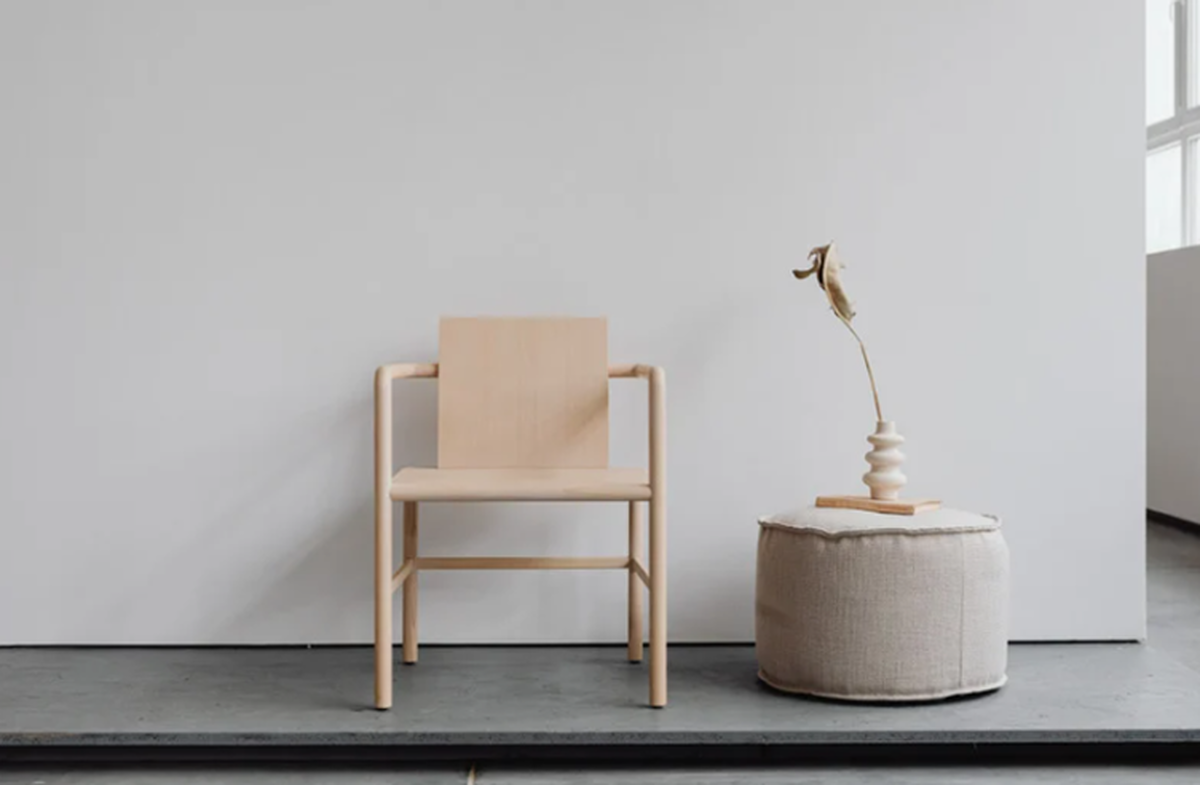

Too often, refurbished furniture is still perceived as outdated or lacking character. This idea belongs in the past. Today, refurbishing a piece means restoring its nobility. Thanks to rigorous renewal processes, carefully chosen materials, and a keen eye for detail, furniture in the circular economy can be modern, aesthetic, and custom-made.
At Réseau•B, each refurbished piece is inspected, cleaned, restored, and adapted to the client's specific needs. We work closely with architects, designers, and project managers to create custom environments that are elegant and aligned with each organization's identity.
A project completed for a government agency demonstrates this clearly: integrating refurbished furniture into a professional setting combined operational efficiency, modern aesthetics, and environmental consistency. Here, refurbishment becomes a true lever for creativity, each piece of furniture tells the story of the organization's sustainable commitment.
One of the most common myths is that refurbishing costs more than buying new. In reality, it's the opposite!
Unlike most “green” products on the market, our refurbished products are about 30% cheaper than their new equivalents. The reason is simple: we use second-hand raw materials, strip their finish, and redo it optimally, avoiding the need to manufacture the component itself. The result: an eco-friendly product that also lowers costs related to purchase, delivery, installation, waste management, and future replacements.
At Réseau•B, sustainability doesn't cost more, it saves money.
Several projects have reduced overall furniture costs by 30-50% without compromising quality or brand image. This circular approach also optimizes the use of existing resources and shortens procurement times, which are often longer for new furniture manufactured abroad.
Refurbishing a single workstation can prevent up to 120 kg of CO₂ emissions while saving enough energy to power ten homes for a day, the ecological equivalent of planting five trees! Every year, Réseau•B refurbishes over 3,500 furniture components and diverts more than 150 tons of metal from landfills. These figures speak for themselves: economic performance and environmental impact can go hand in hand.
It's true that any new approach can seem complex at first. But the strength of Réseau•B's method lies in simplifying every step of the process while maintaining high standards.
Our support includes:
This turnkey approach is designed to integrate seamlessly into your projects, whether small- or large-scale.
This level of rigor reassures managers and makes coordination with stakeholders easier. It's not a logistical challenge, it's a proven solution, delivered by an experienced team that understands corporate imperatives. Our clients report smooth execution, consistent quality, and proactive management at every step.
Remanufactured furniture is sometimes seen as a solution limited to small projects. In reality, it adapts just as well to small volumes as to large-scale deployments.
Many leading organizations, including headquarters, public institutions, and LEED-certified organizations, choose remanufactured furniture for its intrinsic qualities and strategic impact.
Whether you need 10, 50, or 1,000 workstations refurbished, Réseau•B has the expertise, logistical capacity, and quality standards to handle each project with rigor and care.
This is no longer just about optimizing resources, it's about making a choice consistent with your values. In professional environments where every detail matters, furniture becomes a vector of identity and commitment.
Refurbished furniture is therefore a relevant tool, accessible to organizations of all sizes, carrying meaning for both stakeholders and talent.
The last myth is that circular furniture is rigid, limited, or not adaptable to new work realities. Quite the opposite.
At Réseau•B, refurbishment is not just about restoring, it's a custom transformation, designed with the same standards as new furniture. Each project is tailored to the needs, uses, and identity of the space.
Refurbished furniture can be customized down to the smallest detail:
This flexibility allows us to meet the expectations of the most demanding environments, with no compromise on aesthetics or functionality.
At Réseau•B, we carefully restore durable, noble materials to meet the highest aesthetic and functional standards. This approach naturally integrates into the most exacting spaces, without compromise on brand image.
Rethinking furniture through the circular economy also means rethinking how we design space: with greater agility, greater meaning, and as much freedom as with brand-new pieces.
Adopting refurbished furniture is not settling by default. It's a strong choice, responsible, coherent, and high-performing. It proves that profitability, quality, and positive impact can come together in one approach.
In the short term, the benefits are measurable: financial savings, shorter timelines, reduced carbon footprint, and team engagement around a concrete project. In the medium and long term, the outcomes are strategic: stronger employer brand, enhanced pride of belonging, CSR alignment, and the ability to meet certification standards like LEED or B Corp.
Every project with Réseau•B comes with clear documentation, including a quantified impact report. This becomes a valuable tool for internal and external communications, ESG initiatives, or submissions for awards and tenders.
Creating meaningful spaces is not just an aesthetic choice, it's a strategic act that reflects your values, culture, and willingness to drive real sustainable impact.
At Réseau•B, we believe furniture can do more than furnish: it can mobilize. It can tell your story, inspire your teams, and affirm your positioning.
Would you like to integrate layout solutions aligned with your long-term vision?
Contact our team, and let's build spaces that live up to your ambitions.

Découvrez pourquoi Réseau•B peut bien vous conseiller dans vos projets d'ameublement.

Pour en apprendre davantage sur la valeur ajoutée de faire affaire avec un Maître Mobilier!

393 b Avenue Sainte-Croix,
Montreal (Quebec)
H4N 2L3
Montreal : 514 937.1117
Toll free : 1 855 937.1117


Réseau-Bureautique is a canadian based company offering eco-friendly corporate furniture solutions since 1991.
SUBSCRIBE TO OUR NEWSLETTER
Réseau-Bureautique Inc. All rights reserved. 2021